
When the Civil Defense unit of Mrayje was displaced from its center in Ghobayri, it needed a safe place to keep responding to the emergency. It found one at a youth center on a former line of division.
Beirut’s former demarcation lines continue to carry the weight of past divisions. In neighborhoods marked by political tension, social exclusion, and repeated crises, public institutions are often present but distant, and their relationship with youth is shaped more by mistrust than by everyday engagement.
Hona Beirut, MARCH’s cultural and community space between Tayouneh, Ghobayri, and Tariq El Jdideh, stands on one of these former lines, bringing together youth, communities, and institutions that would not usually meet. During the latest escalation of the war [add month and year], that role took on new urgency when Hona Beirut opened its doors to the Lebanese Civil Defense.
Hona Beirut hosted 65 displaced Civil Defense medical workers, helped equip them with 155 radios and 2 prefabricated hangars, then built lasting trust with local youth through joint training, football matches, and shared meals.
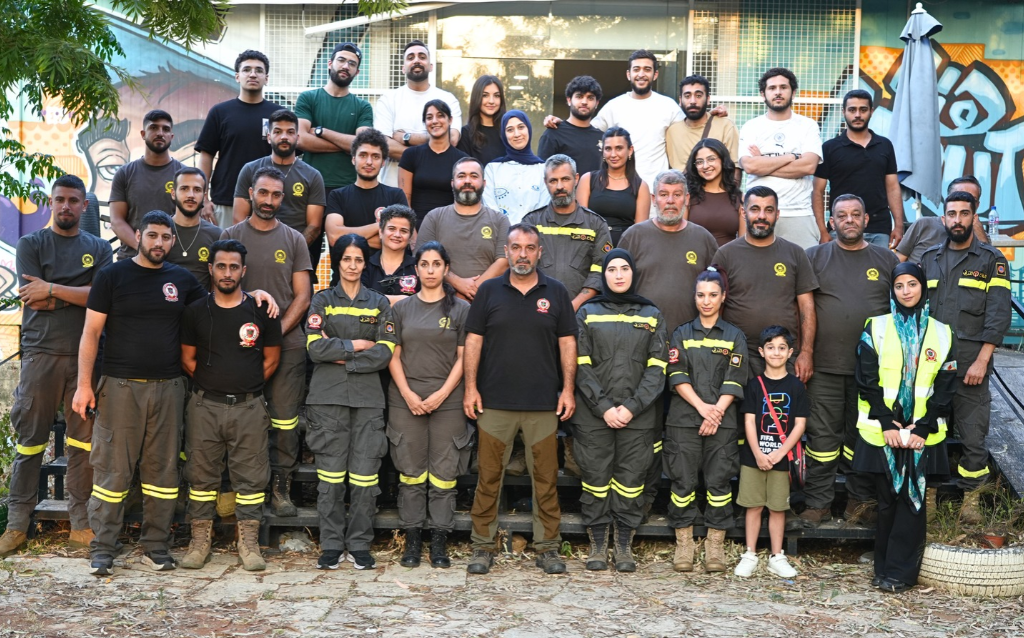
A Safe Base in the Middle of the Escalation
After the Dahyeh area was targeted, the Civil Defense unit of Mrayje, operating in a designated red zone and displaced from its center in Ghobayri, needed a safe and strategically located base to continue its emergency response. Hona Beirut became that base.
MARCH turned the center into an operational hub for 65 displaced Civil Defense medical workers, providing drinking water, refreshments, basic supplies, electricity, and Wi-Fi so teams could rest, regroup, and stay mobile across affected areas. MARCH also hosted 3 Iftars for the medical workers stationed at the center during an extremely difficult period.
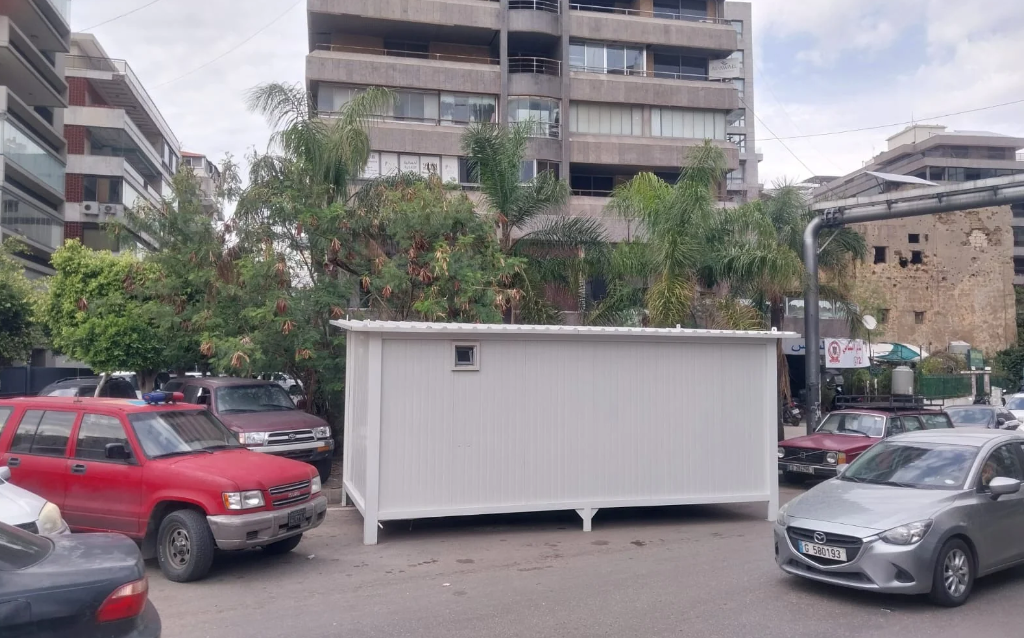
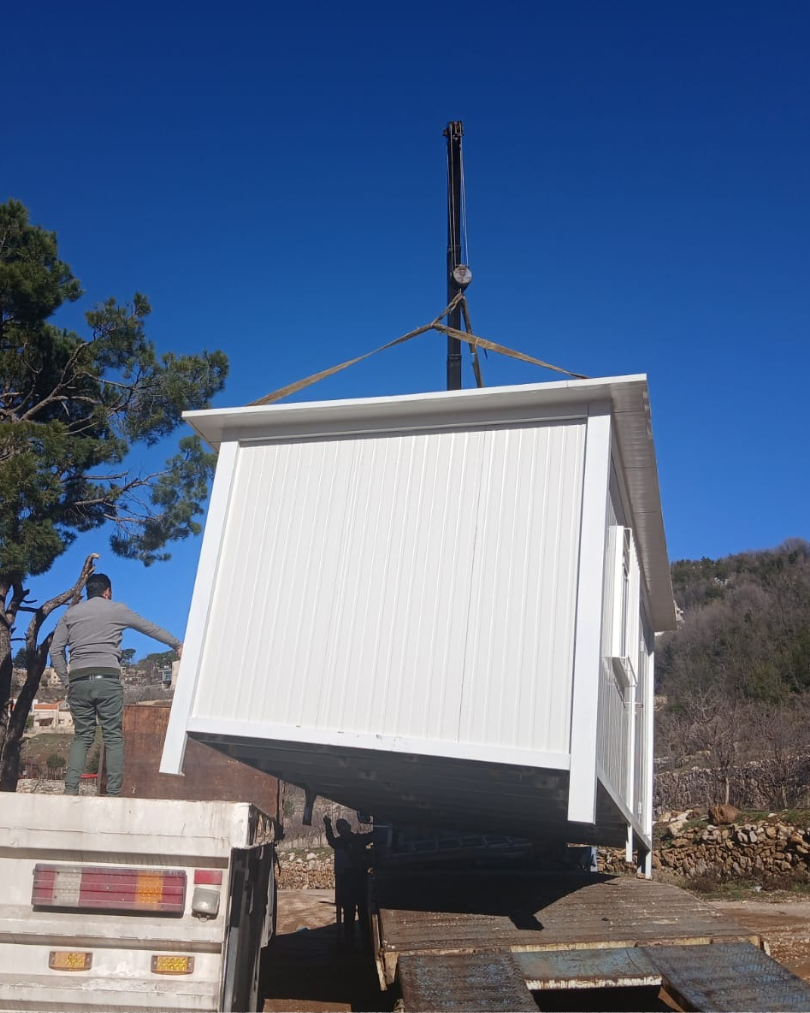
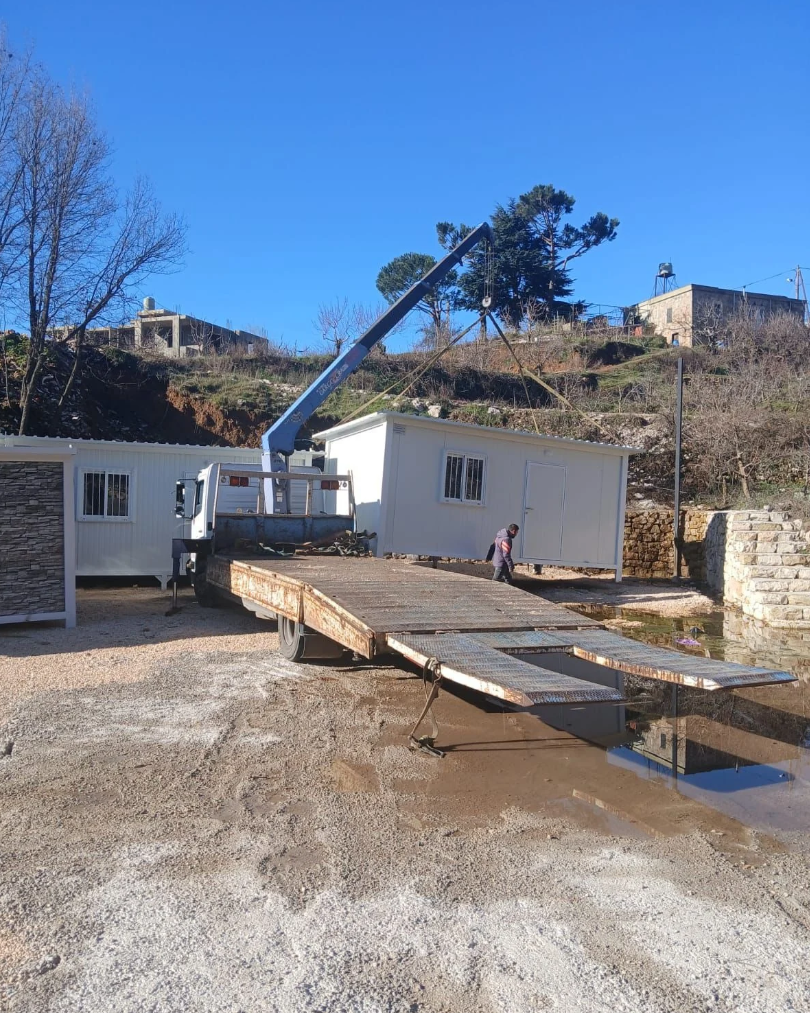
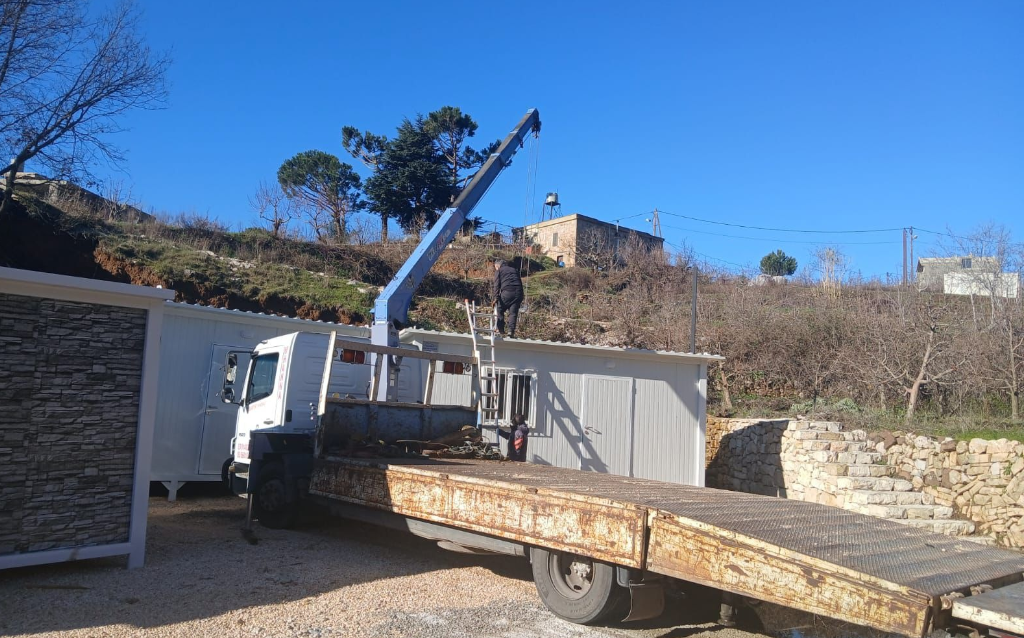
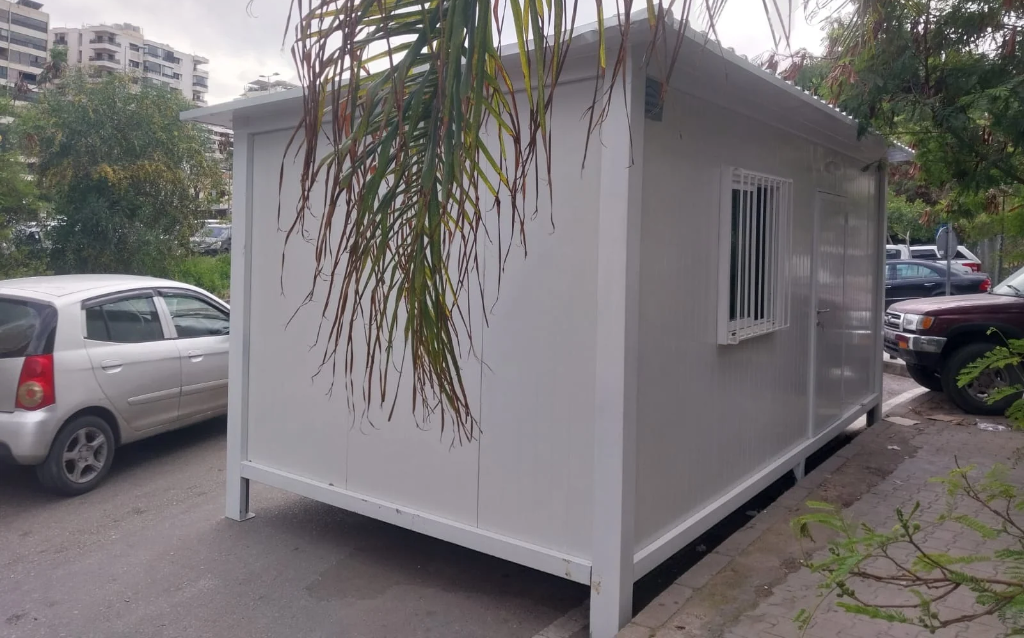
The support extended to the field. MARCH installed 2 prefabricated hangars at two key entry points, Saida in the south and Tayouneh at the entrance of Dahyeh. At the Civil Defense’s request, it also provided 155 hand-held radio devices to replace outdated equipment and strengthen coordination between units across Lebanon, particularly in Beirut.
Throughout this period, MARCH and Hona Beirut have stayed in constant contact with the Civil Defense Chief of Staff, opening direct channels for requests and making it easier to identify community needs as they arise.
Emergency Skills as a Point of Exchange
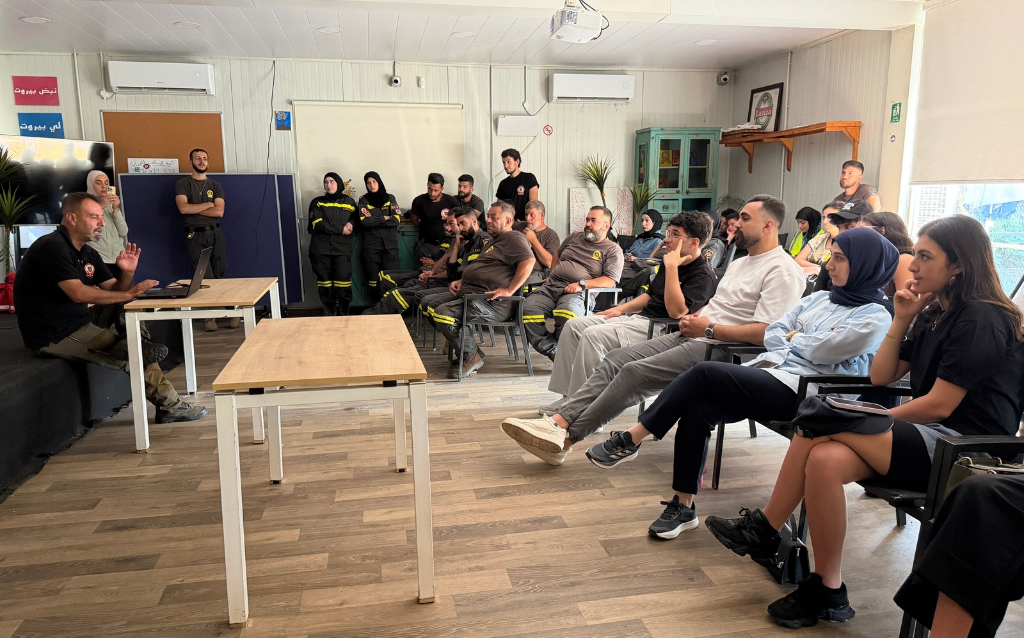
As the urgency eased, MARCH built on this relationship through joint activities with Hona Beirut youth. Two coordination meetings first allowed both sides to map areas of collaboration and address community concerns. Youth asked about the Civil Defense’s role and heard directly that it is a non-sectarian service open to everyone.
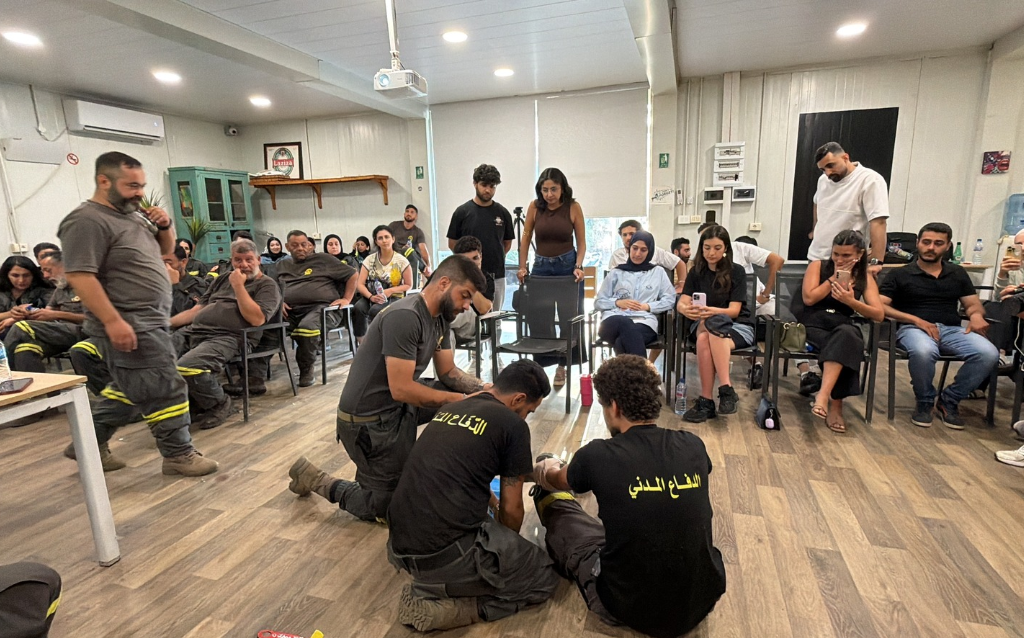
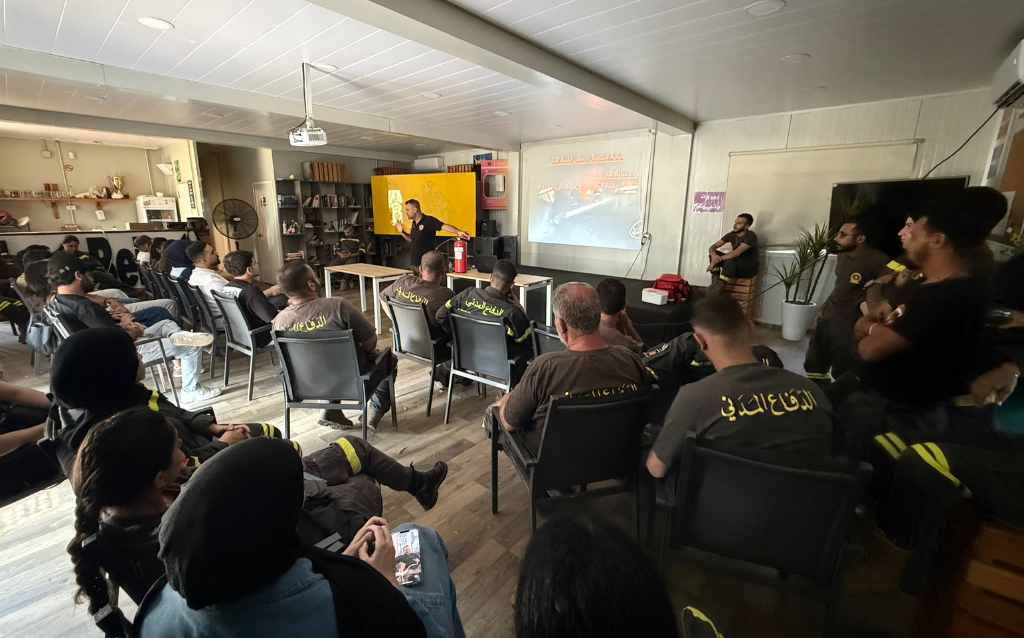
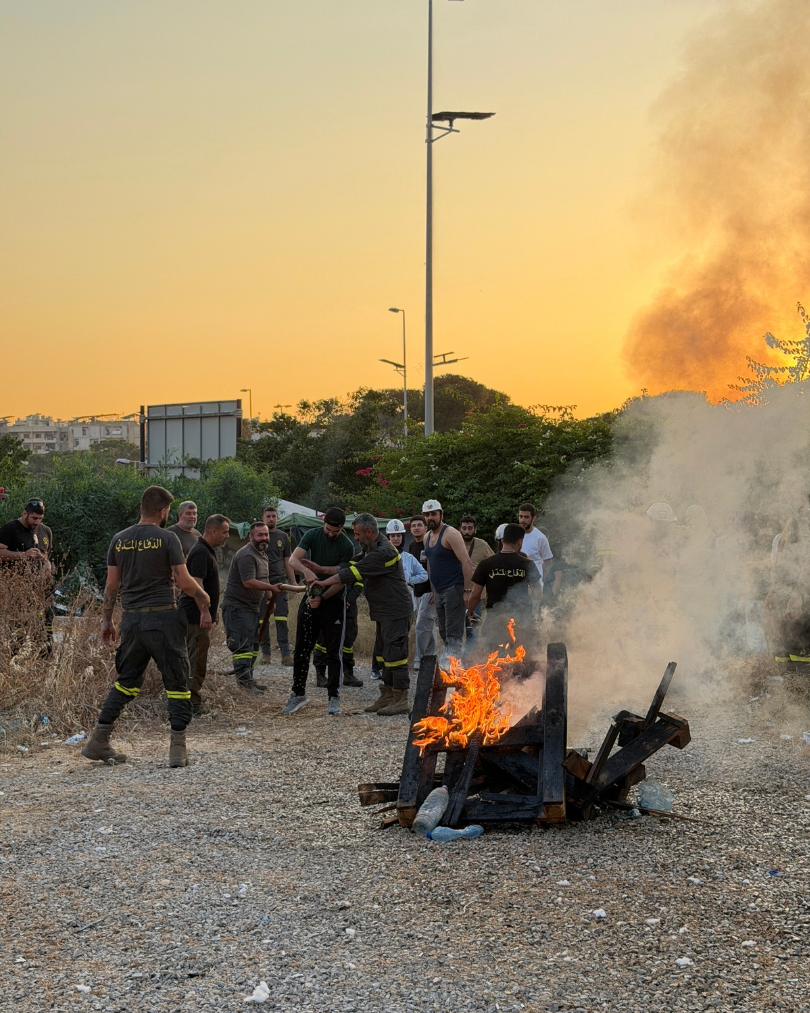
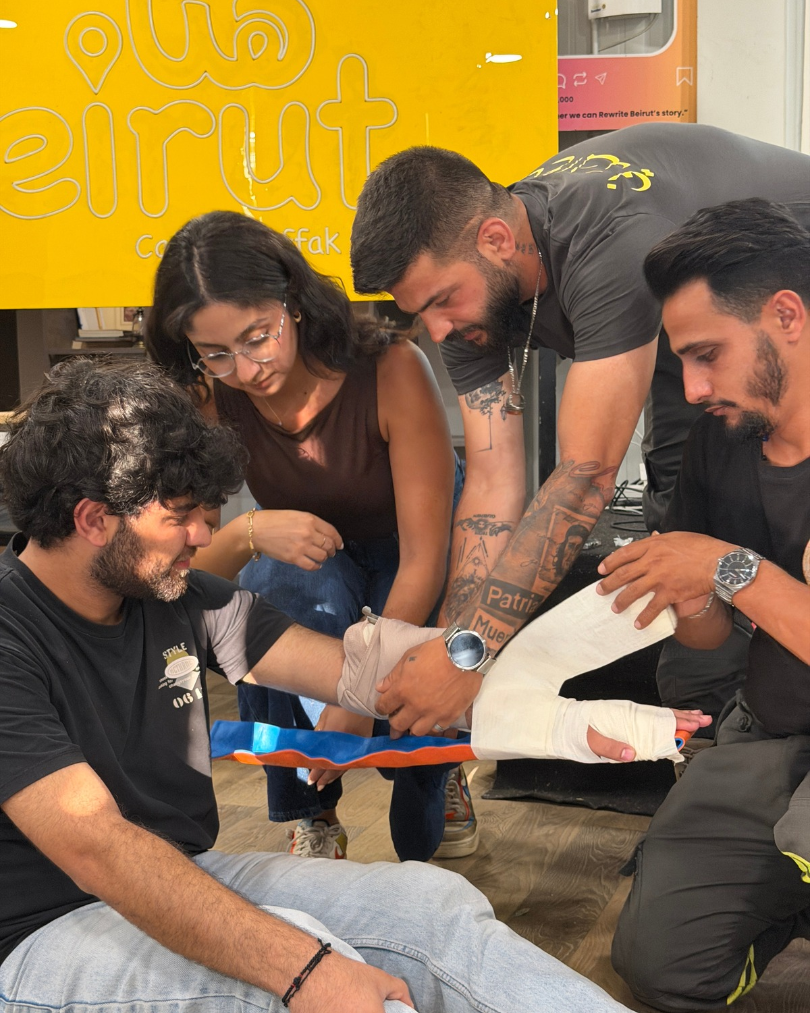
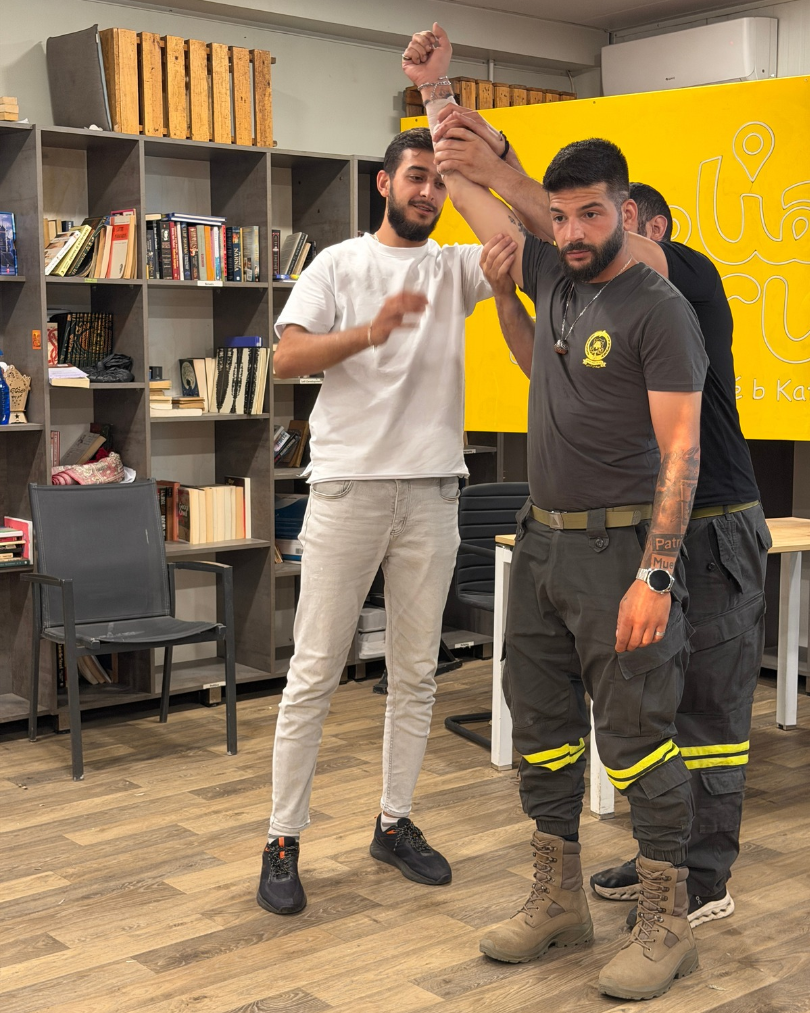
A full-day training then brought the youth together with around 30 Civil Defense members. Through practical drills and scenario exercises, participants covered first aid, fire safety and prevention, firefighting response, and evacuation planning, as well as the role young people can play in their communities during a crisis.
For the youth, it was a chance to see what emergency response requires in practice: discipline, speed, coordination, and calm under pressure. For Civil Defense members, it was an opportunity to learn about MARCH’s mission and the role Hona Beirut plays in the community.
Sports, Shared Meals, and Community Life
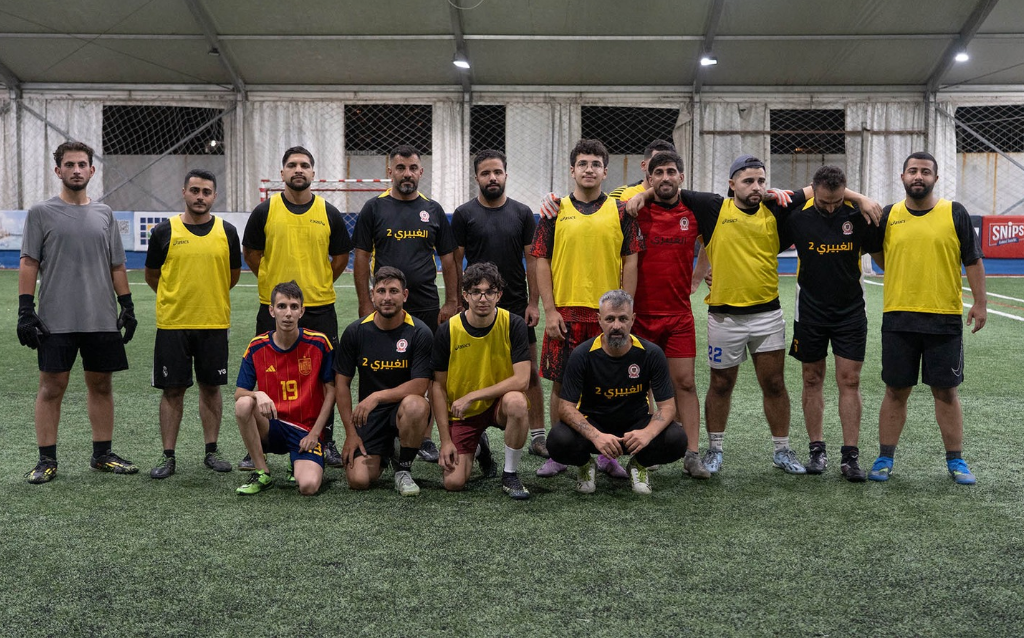
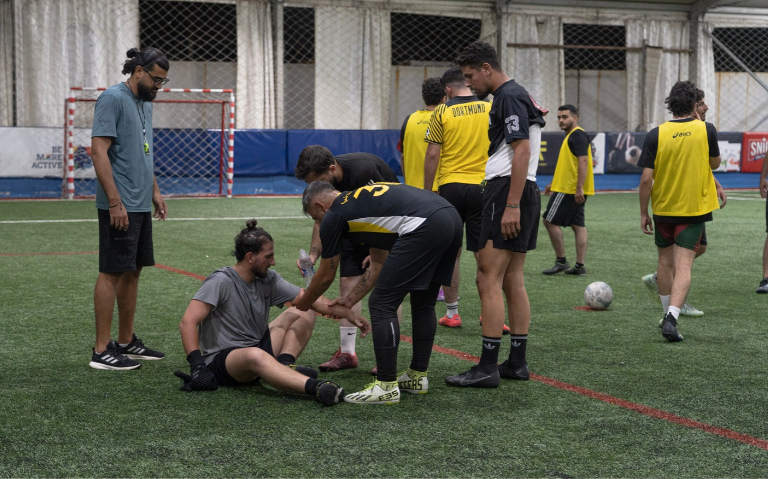
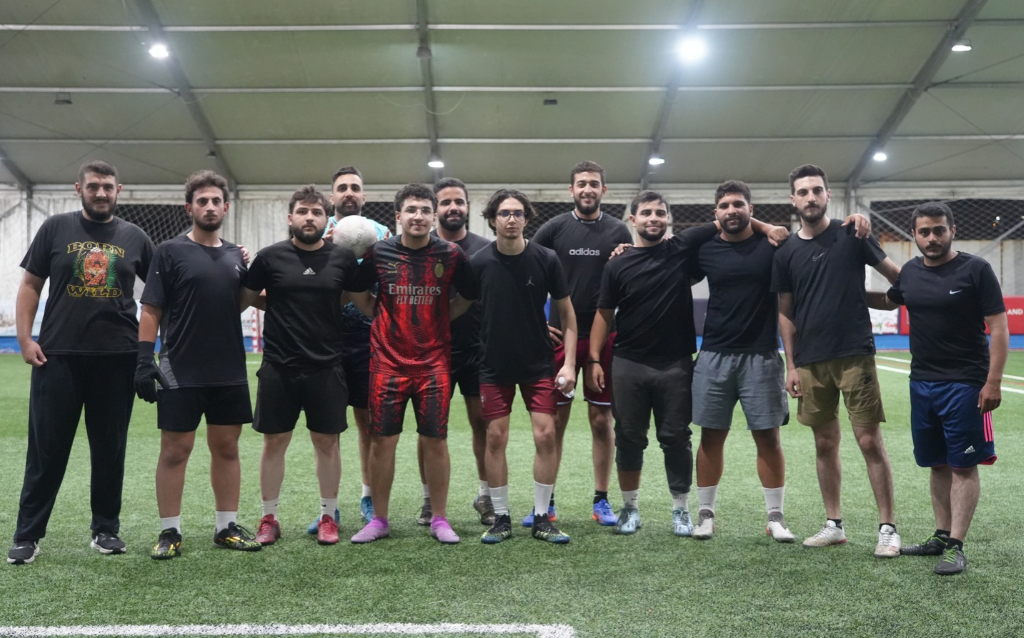
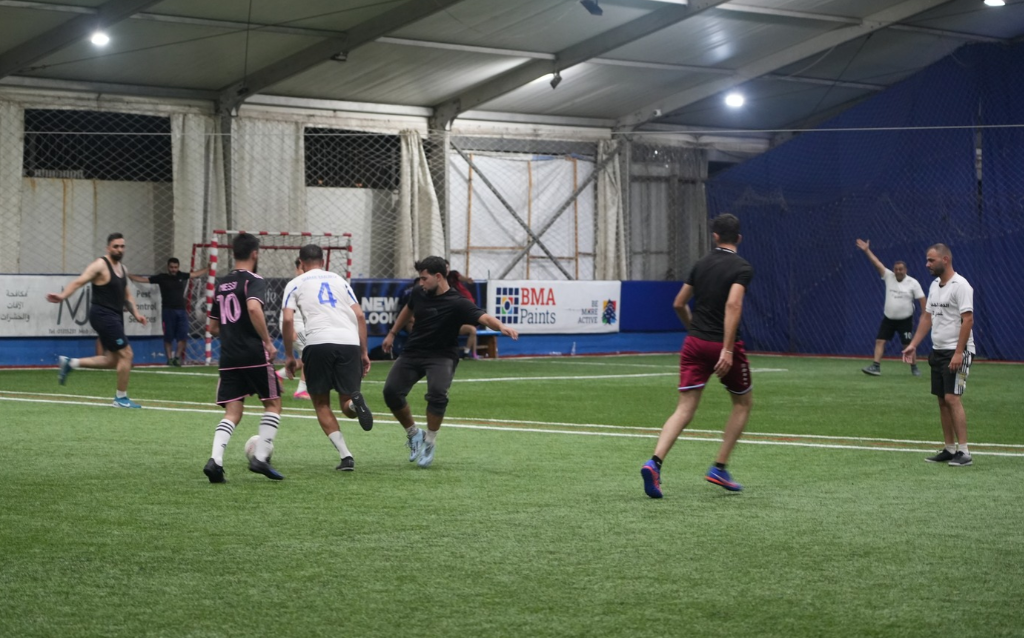
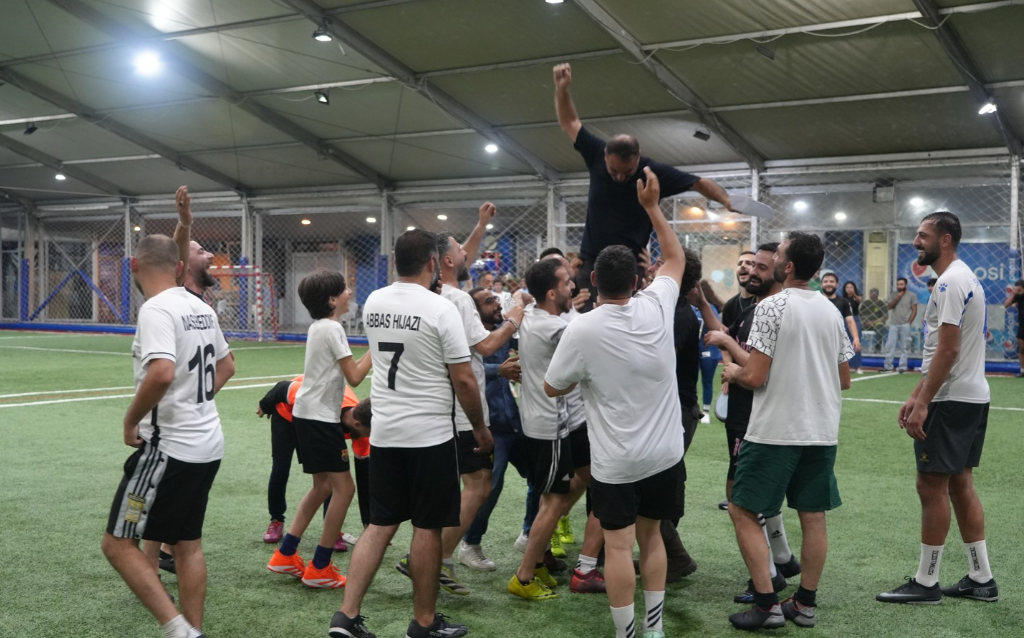
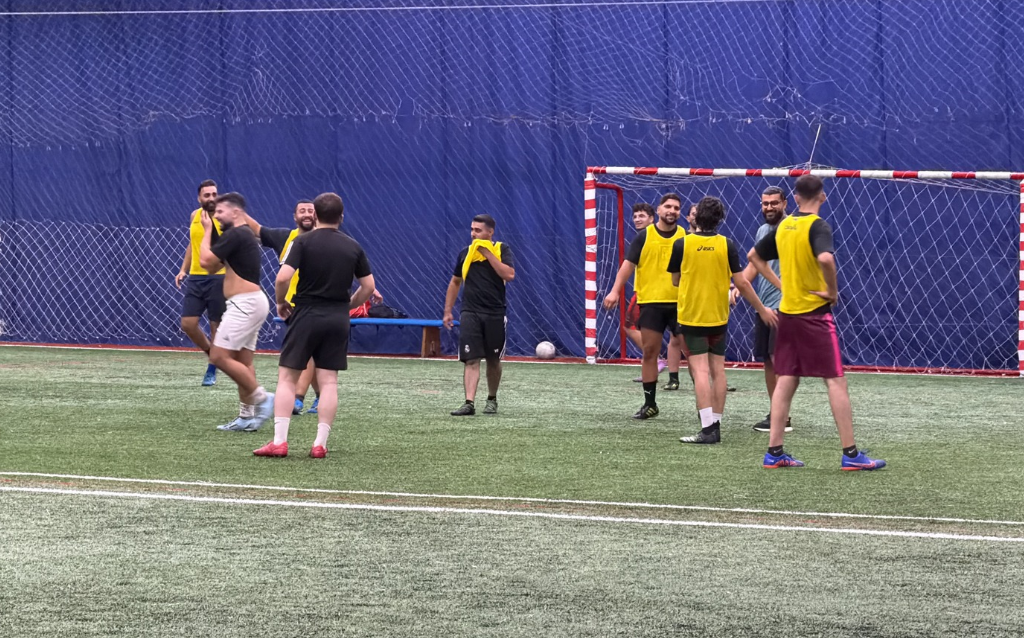
The collaboration then moved to the football field through a series of friendly matches that brought together around 35 participants, including 20 Civil Defense members and 15 Hona Beirut youth. Under MARCH’s Sports for Reconciliation approach, teams were intentionally mixed, placing youth and Civil Defense members side by side rather than against each other.
On the field, titles and uniforms mattered less than passing, covering for one another, and team spirit. Civil Defense members became teammates rather than only the faces behind emergency vehicles.
Over 2 joint dinners, volunteers and youth continued these conversations and exchanged personal stories. The relationship also reached the wider community during an event at Hona Beirut, where Civil Defense members joined youth, residents, and the band SKOUN. They were not there to deliver a session or respond to an emergency, but to share the same space as families and neighbors.
Sustaining Trust Through Continued Engagement
What began as emergency support grew, step by step, into a lasting relationship, with each activity adding another layer of familiarity between the youth and the Civil Defense.
This reflects MARCH’s broader approach to peacebuilding in Lebanon: relationships with public institutions are rebuilt through repeated encounters, not one-time events. In Tripoli, this approach has brought former fighters and the Lebanese Armed Forces together through years of joint work. At Hona Beirut, the same model is now taking root with the Civil Defense, a humanitarian institution that serves all communities equally.
In neighborhoods where distance from the state can easily turn into mistrust, Hona Beirut has helped turn an emergency presence into a trusted partnership.